U.S. Army Corps of Engineers · South Pacific Division
Serving the Force
The U.S. Army Corps of Engineers does work the public rarely sees — engineering the military's medical infrastructure, training civilian and military personnel for urban disaster scenarios, responding when five major disasters overlap inside a single fiscal quarter. As Deputy Public Affairs Officer for the South Pacific Division, the communications challenge was translating the language of engineering and emergency operations into content that could reach a conference room in Washington, a VR headset on an exhibition floor, and a service member's screen simultaneously. The work spans formats, audiences, and urgency levels — from long-form disaster response reporting to a two-minute produced spot — but the through line is the same: the Corps serves, and the public record should reflect it.
South Pacific Division Responds to Disasters
Between August and October 2017, five major disasters struck the United States in rapid succession — Hurricanes Harvey, Irma, and Maria within weeks of each other, followed by the Northern California wildfires before hurricane recovery was complete. With 188 South Pacific Division personnel deployed simultaneously across the Gulf Coast, the Caribbean, and their own backyard, the division executed one of the most complex concurrent disaster responses in its history. This feature, written from San Francisco and published December 20, 2017, tells that story.
Read the full story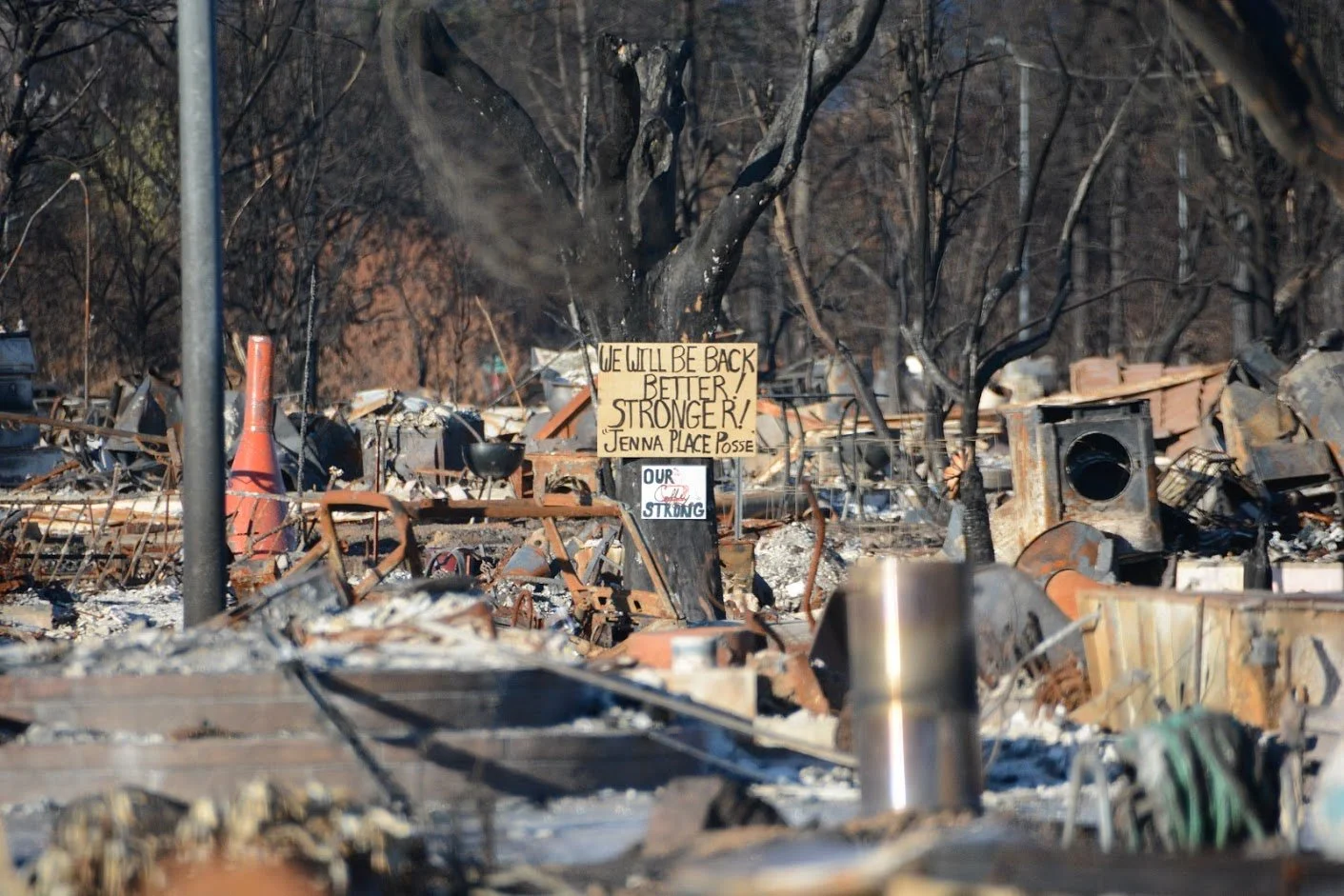
Engineering Solutions for the Nation's Medical Facilities
The Corps builds and sustains the military's medical infrastructure — facilities that serve active-duty members, their families, and veterans. This overview, produced for debut at a Society of American Military Engineers conference, translates that mission for a professional and institutional audience: what the Corps builds, why it matters, and who it serves. Following the conference, the piece entered the Department of Defense's streaming distribution, now available across all service branches on DoD platforms.
Watch on YouTube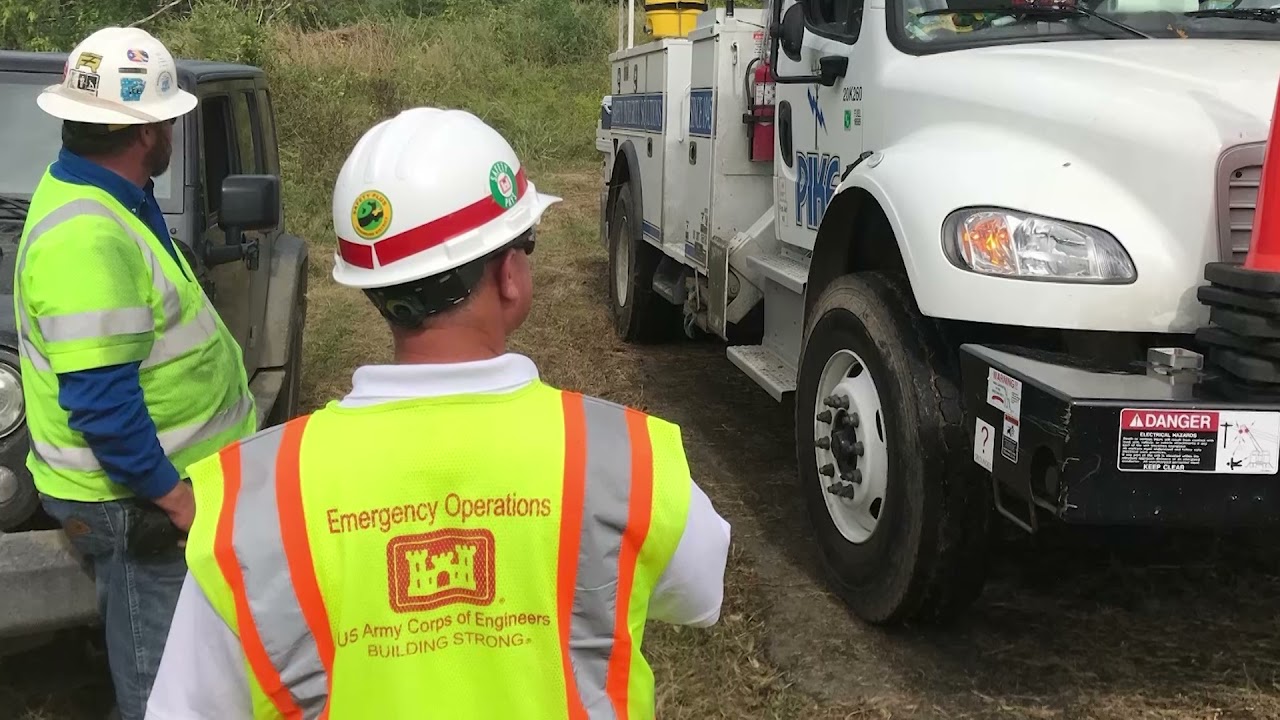
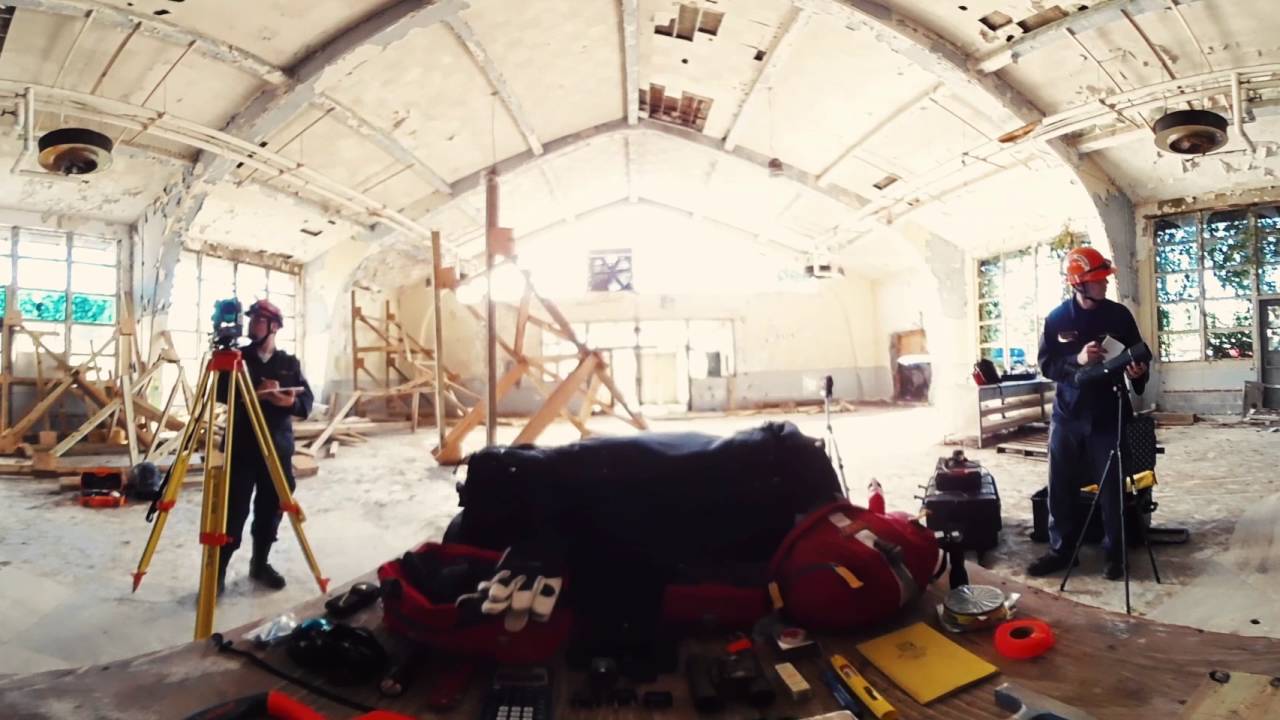
Urban Search and Rescue: Inside the Training Program
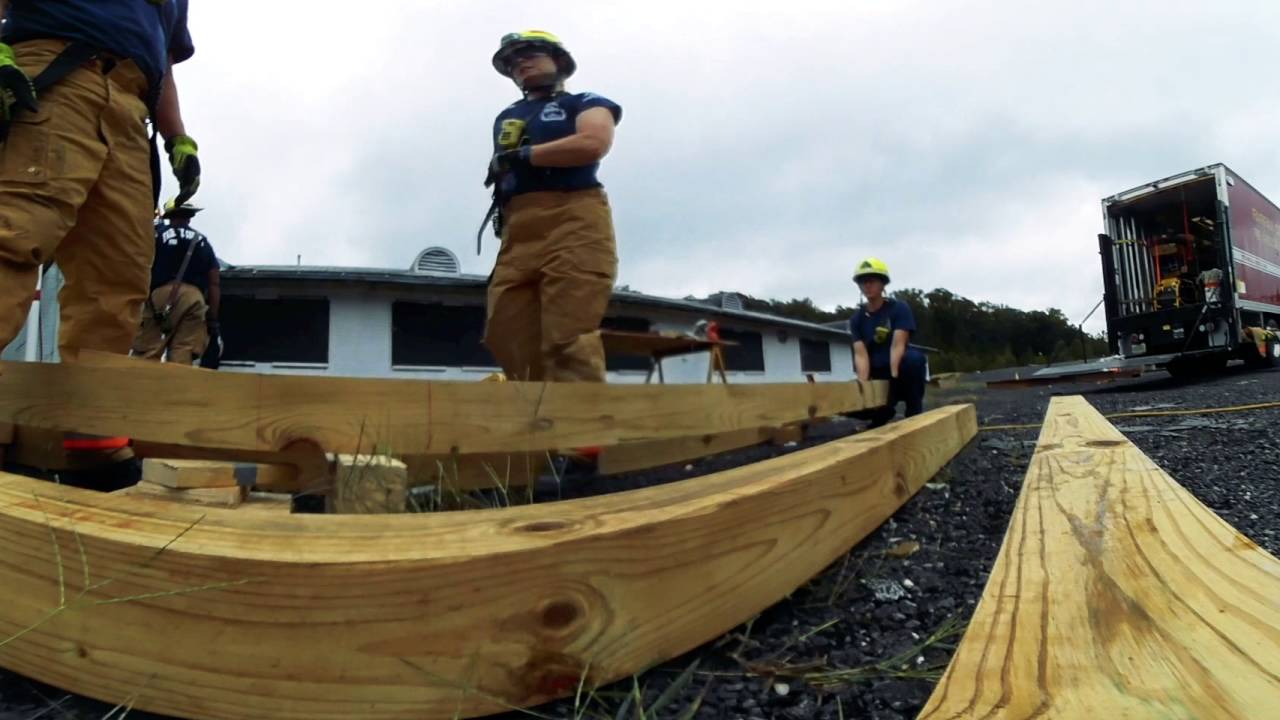
Produced for the 2017 Association of the United States Army annual conference, these two 360° pieces were designed to be experienced in VR headsets — placing attendees directly inside the Urban Search and Rescue training site in Lorton, Virginia, and alongside the specialist equipment used in collaborative military-civilian emergency response. The format was chosen deliberately: no amount of conventional video conveys the spatial reality of a collapsed-structure training environment the way first-person immersion does.
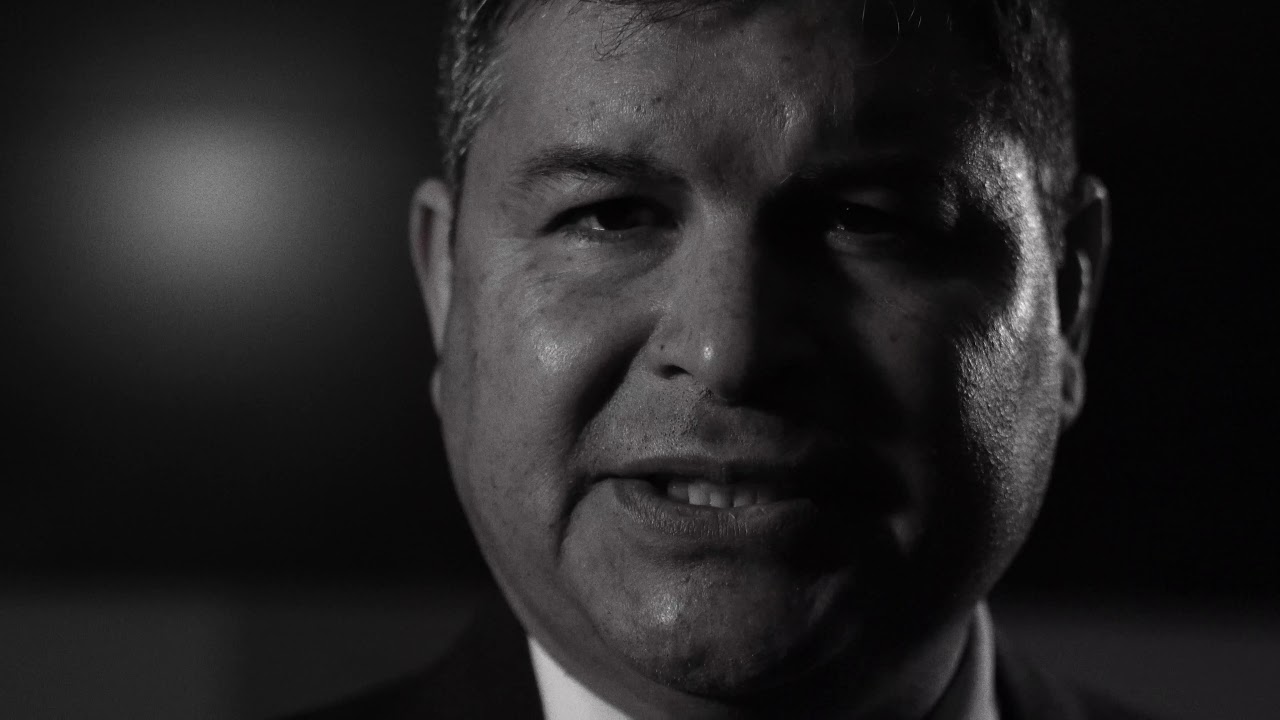
I ASK: Sexual Harassment & Assault Response & Prevention
A produced spot for the U.S. Army Corps of Engineers South Pacific Division's Sexual Harassment/Assault Response & Prevention program. Command communications on SHARP require a particular register — direct enough to land with clarity, produced well enough to signal that the command takes the subject seriously. This piece was built to meet both requirements: a professional-quality spot that carries the weight of institutional commitment without softening the message.
Watch on YouTube