
Case Study · Crisis & Emergency Response
2025 Los Angeles
Wildfire Response
Assistant Public Information Officer & Lead Videographer · January – February 2025
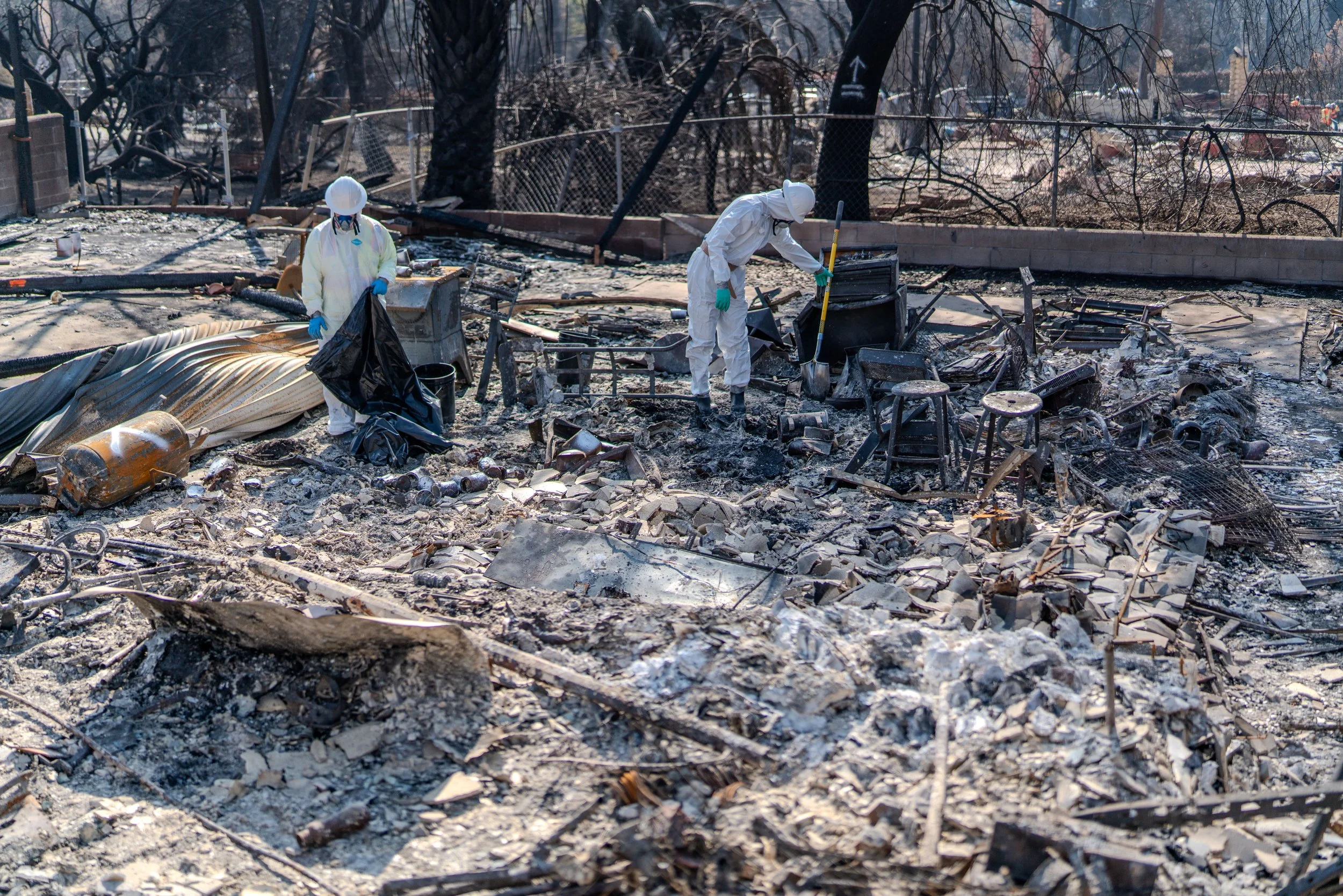
The cleanup started before the flames were put out
On January 7, 2025, devastating wildfires rampaged through Los Angeles, burning over 40,000 acres, destroying thousands of structures, and killing nearly 30 people. Residents of Palisades, Pasadena, and Altadena, California returned to nothing.
Upon receiving mission assignments from FEMA, the U.S. Environmental Protection Agency was tasked with assessing, removing, and safely disposing of hazardous materials from all affected areas within 30 days — finishing just shy of 29 days. I was assigned as an assistant public information officer and primary videographer while fires were still active in the Palisades and at the Eaton Fire.
The In-the-Moment Interview
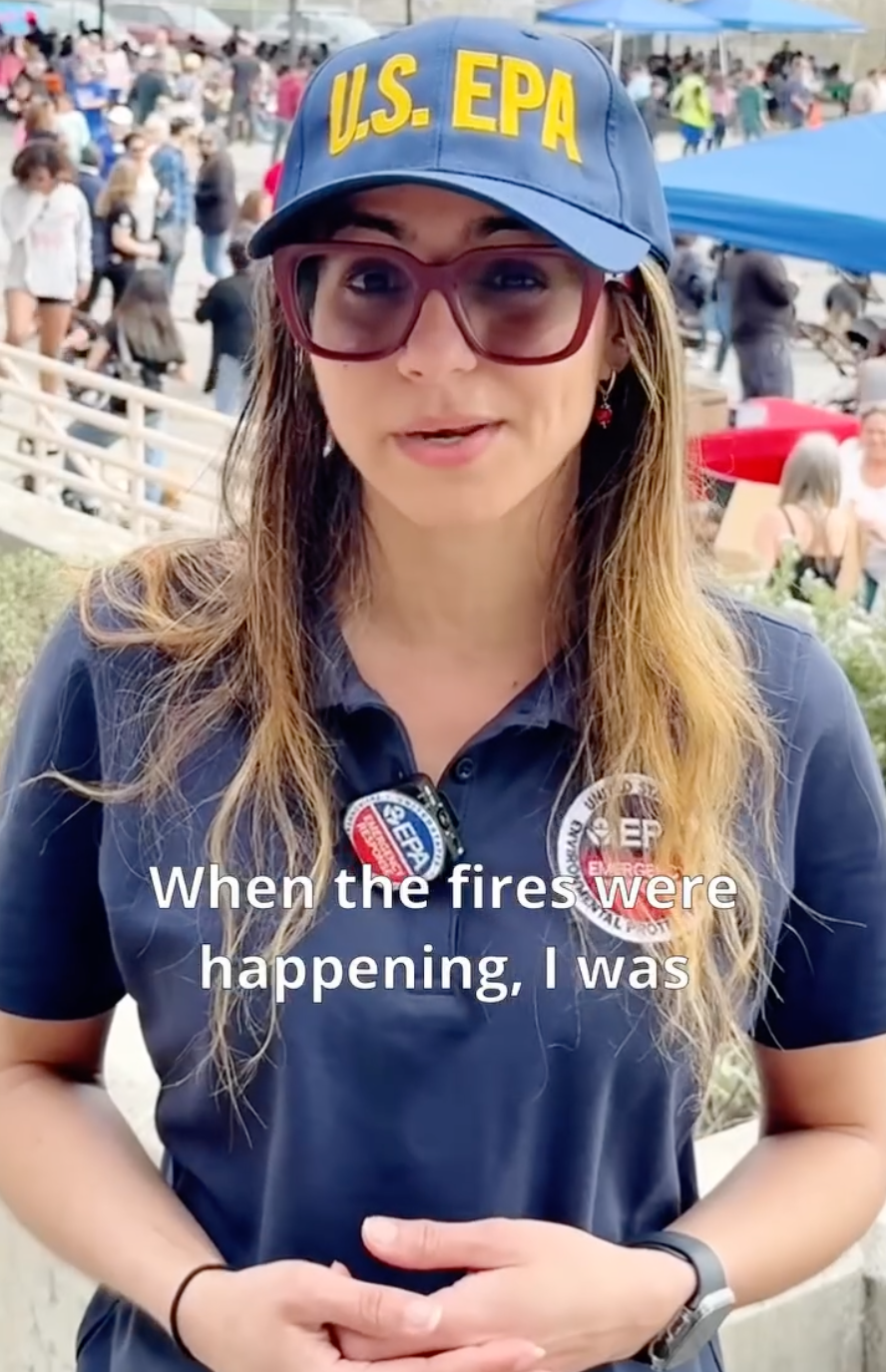
I was sent to a site in Altadena to grab b-roll for distribution to the Los Angeles media market. Walking through the site, I overheard a discussion with Tori Huelskoetter, the EPA Federal On-Scene Coordinator who deployed from Region 10 in the Pacific Northwest.
As I listened, Huelskoetter spoke with authority on the science and personal impact of the cleanup with genuine empathy for those who had lost the most, and she brought a detail that brought a narrative together: this response was bigger than her, and the community she and her colleagues were there to support offered their support to her, too. Those details transformed my b-roll trip into a non-narrative news package.
"I sought to reproduce products that captured the emotional toll on those deployed in support of the LA wildfire mission, not just what was being done, but who was doing it and why it mattered."
In addition to the Spectrum News pickup, I delivered b-roll packages directly to CBS for use on 60 Minutes.
EPA Federal On-Scene Coordinator Torri Huelskoetter, deployed from Alaska, reflects on the Altadena cleanup and the resilience of displaced residents.
Watch on Instagram →Used shot-for-shot by Spectrum News in a Feb. 9, 2025 news broadcast.
View the Spectrum News piece →Boots on the Ground — The CIC Story
EEPA Community Involvement Coordinators (CIC) provide the human element of the agency’s mission: meeting residents where they are and connecting them with the right resources. Olivia Lopez, a CIC deployed from Region 1 in Boston, held a post at the Ronald Reagan American Legion Palisades Post 283.
Lopez’s work included facilitating communication between displaced residents, often working with the U.S. Army Corps of Engineers to communicate Phase Two debris removal operations. Her story illustrated what the EPA’s community-facing work looks like during a disaster.
Community Involvement Coordinator Olivia Lopez, deployed from EPA Region 1, works with Palisades residents and coordinates with USACE on Phase Two debris removal.
Watch on Instagram →Senior Leadership in the Field
EPA Region 9 Deputy Regional Administrator Cheree Peterson visited multiple sites spanning the Eaton and Palisades fire footprint. I covered her site tour with USACE leadership at the Altadena Golf Course as EPA transitioned from Phase One hazardous materials removal to Phase Two debris removal operations, a critical handoff in the mission’s lifecycle. The video documents both the scope of the cleanup and the interagency coordination that made it happen on a compressed timeline.
Deputy Regional Administrator Cheree Peterson tours active cleanup sites alongside USACE leadership as EPA completes Phase One and transitions operations.
Watch on Instagram →The Full-Mission Piece
The capstone production covers the entire LA wildfire mission from a communications perspective. I interviewed Rusty Harris-Bishop, the Public Information Officer for the response, for a reflective piece on what the mission demanded and what it meant. Harris-Bishop offered the kind of candor that only comes from someone who has just finished something enormous.
The piece was recognized by EPA Administrator Zeldin and the White House.
Public Information Officer Rusty Harris-Bishop reflects on the full scope of the 2025 Los Angeles wildfire response mission.
Watch on Instagram →Producing PSAs Under Active Response Work
Producing public service announcements during an active disaster response is rarely clean. I produced two PSAs informing community members of EPA and USACE operations — and each required a different approach.
Phase One - Household Hazardous Materials Removal
EPA CICs needed to produce a piece that spoke to Phase One operations underway, informed community members about where to find information on the status of their property, and where to find Federal Emergency Management Agency facilities so they can apply for relief if they’ve been affected by the fire.
At the last minute, I was asked to meet up with CICs Georgia Thompson and Julie Congdon, who wrote the script, and we shot the Phase One PSA. I turned the video around the same day.
PSA 1: CICs communicate Phase One operations as part of EPA's role during the Los Angeles wildfire response.
Watch on Instagram →Phase Two - USACE Debris Removal Operations
The second PSA we produced during my second deployment to Los Angeles, in support of the wildfire response, was a spot produced in coordination with USACE. It took a bit of time as our schedules needed to align, but we found an opportunity at a site in Pasadena where USACE hard hats were present. There was no teleprompter and no pre-shoot coordination to ensure both subjects, EPA Incident Commander Tara Fitzgerald, and U.S. Army Col. Eric Swenson, USACE Recovery Field Office Commander, knew their lines.
Fitzgerald worked with the script, memorizing it, and we were pleasantly surprised when Col. Swenson delivered, too. An exceptional informational piece on Phase Two operations as the EPA’s role wrapped up.
PSA 2: EPA Incident Commander Tara Fitzgerald and USACE counterpart address community members in a scripted, prepared production.
Watch on Instagram →Saving the Product
Not every production starts from scratch. A CIC had produced a video with genuine intent. The story was there, but the edit had no cohesive arc, and the footage contained children filmed without parental releases. It couldn't be published as-is.
We identified a message worth saving. The task fell to me: rescue the edit without returning to the field for a reshoot.
I stripped the piece down to its usable core, preserving the audio and moments where the message held. To cover the cuts and to remove the children from product entirely, I pulled from b-roll I had already recorded in the field: the back of a child's head, small hands reaching up, environmental cutaways that communicated CICs were actively engaged with kids in the community without ever showing a face that required a release.
What started as a compliance problem became an editorial opportunity. The b-roll didn't just cover the problem; it enriched the story. The result is a piece that tells the story the CIC wanted to tell with a narrative that wasn't there in the original cut.
Shooting horizontal for vertical
Every video produced during the LA wildfire response was built for two formats simultaneously. Understanding the media market, especially with our operations center in the heart of Burbank, California, the media capital of the world, social distribution wasn’t the only place where we intended our footage to go. Ensuring we had footage for the external media market was the priority.
Composing 16:9 while using the rule of thirds, I understood where to place my subjects so the footage could be used for Instagram Reels or YouTube Shorts. No need for a second camera or even rotating the camera, as I post vertical content on social media at 1080x1920.
We realized the need to shoot horizontally when we saw our footage on Spectrum News, and we were able to deliver video in a format 60 Minutes could use.
Altadena, Calif. — January 28, 2025
Being a hybrid shooter gives me the flexibility to switch between formats when convenient. In addition to video support, I packaged photography that gave recipients options: stills for immediate editorial use alongside the video product. An audiovisual package that serves multiple channels at once is a force multiplier in a resource-constrained response environment.
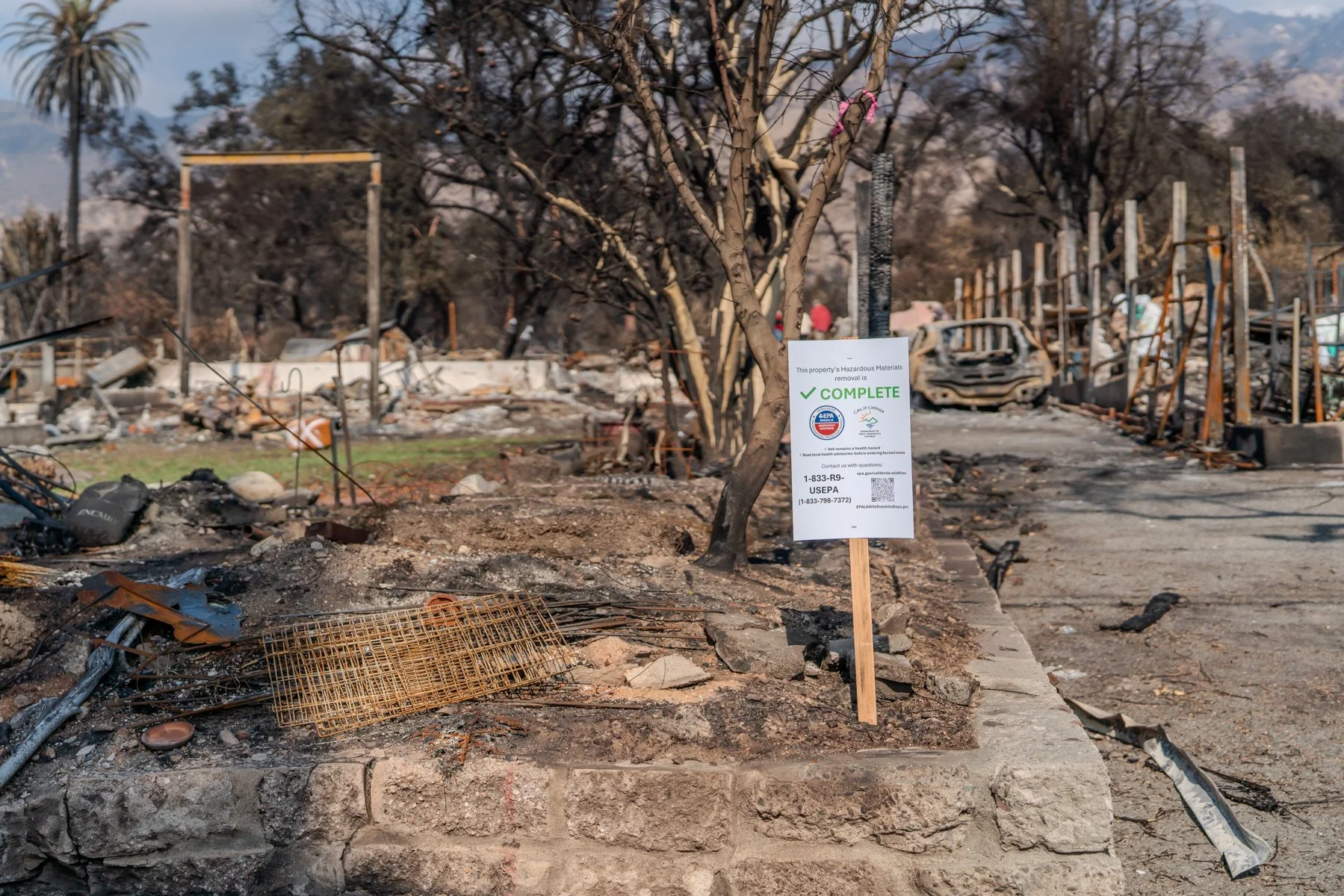
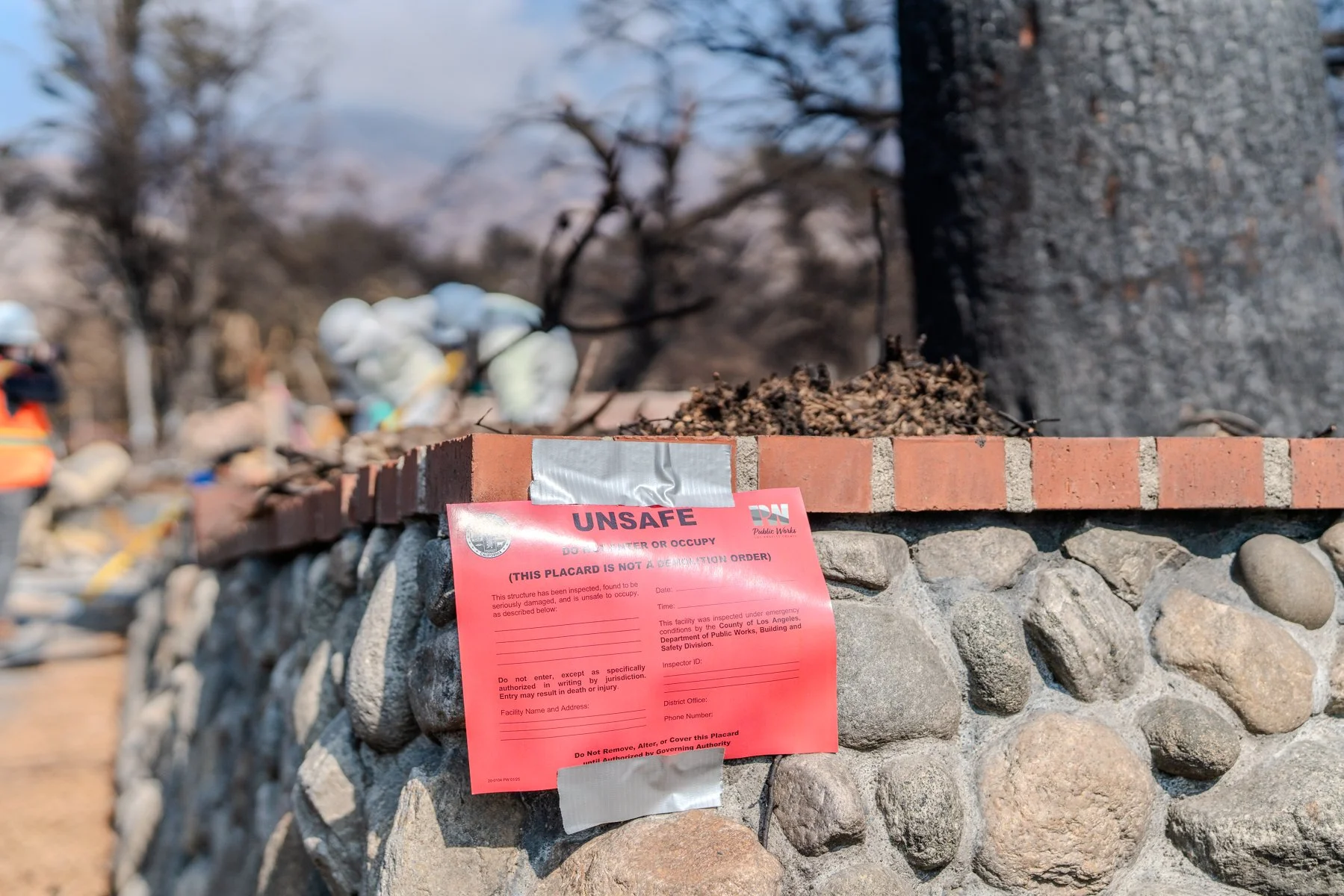
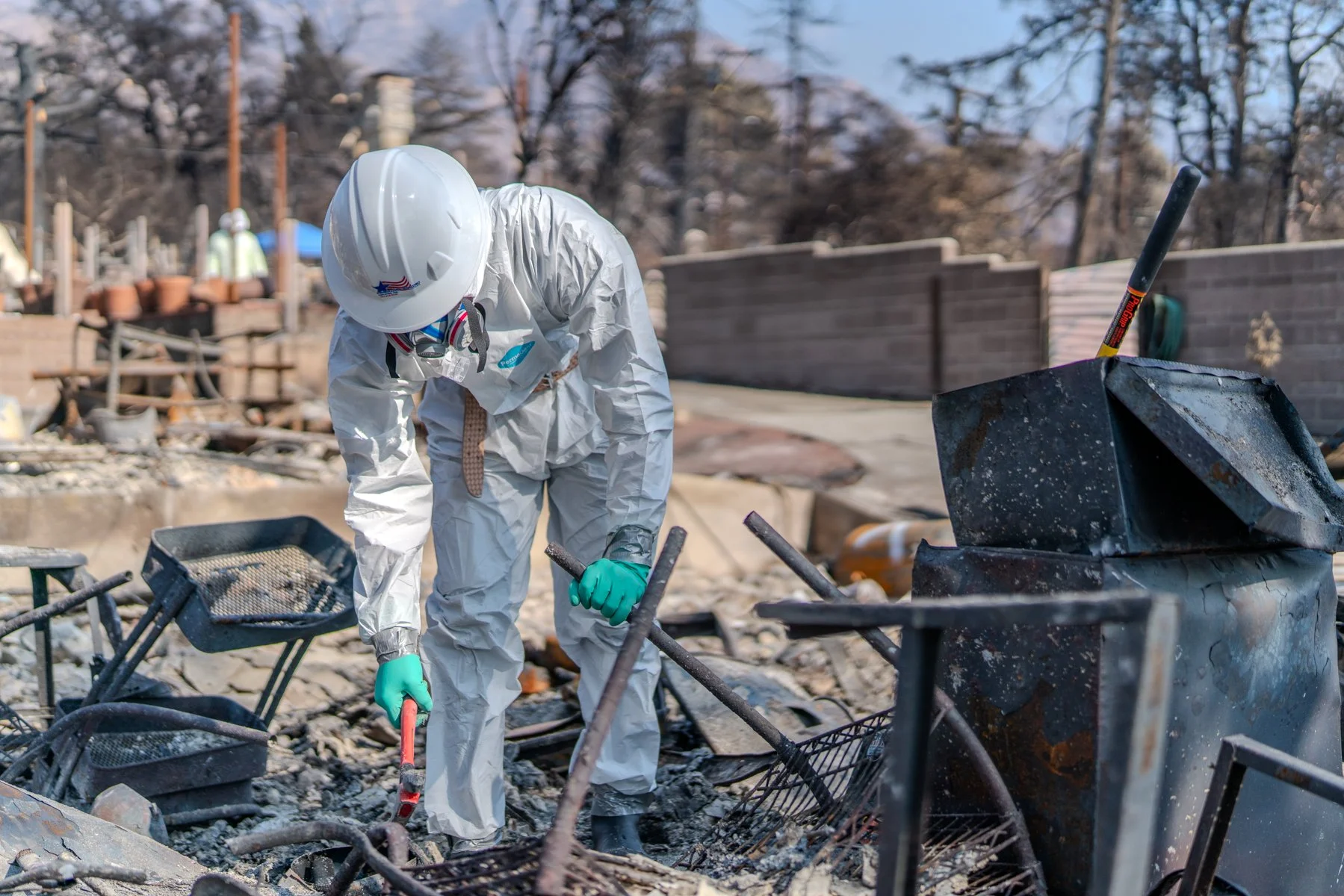
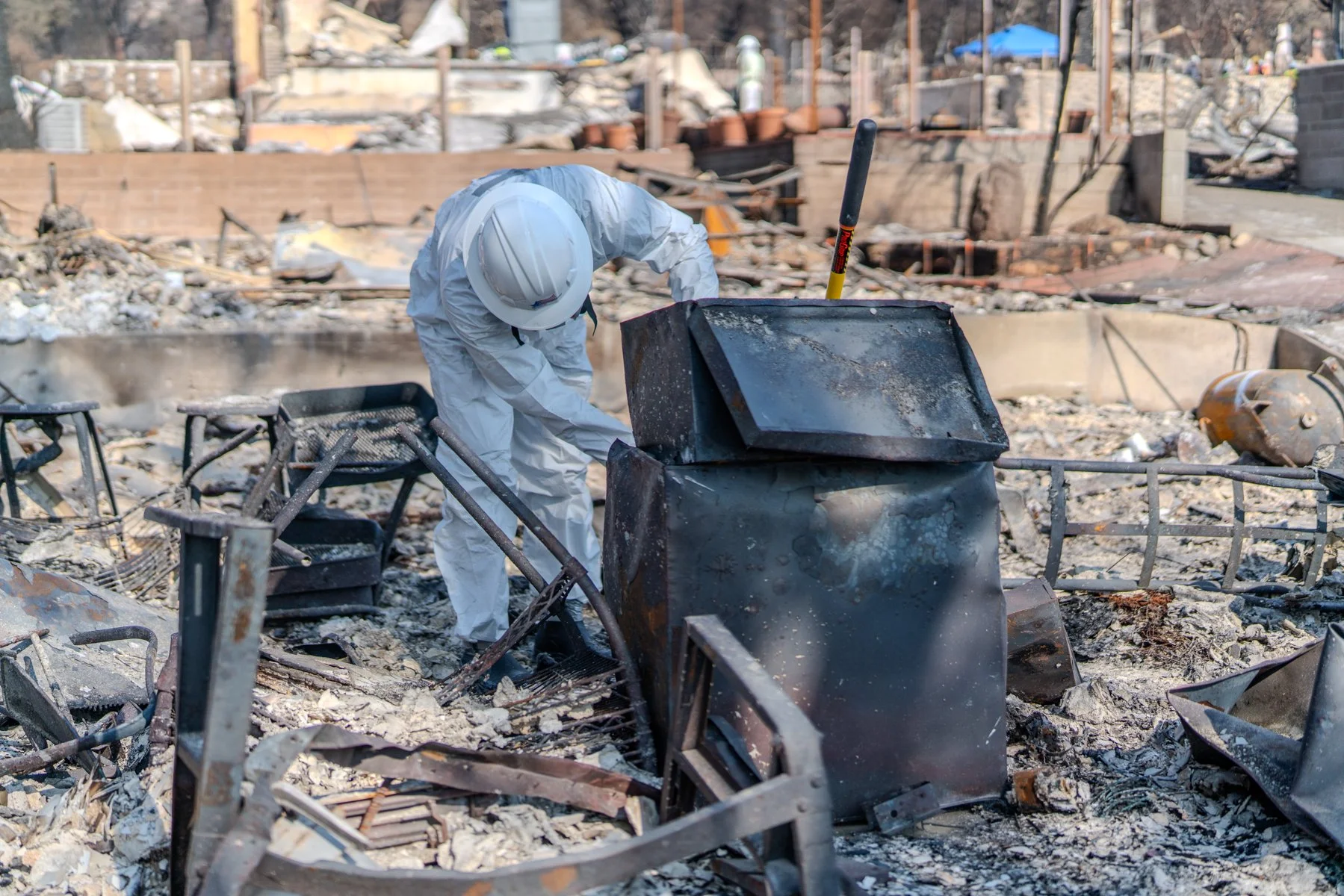
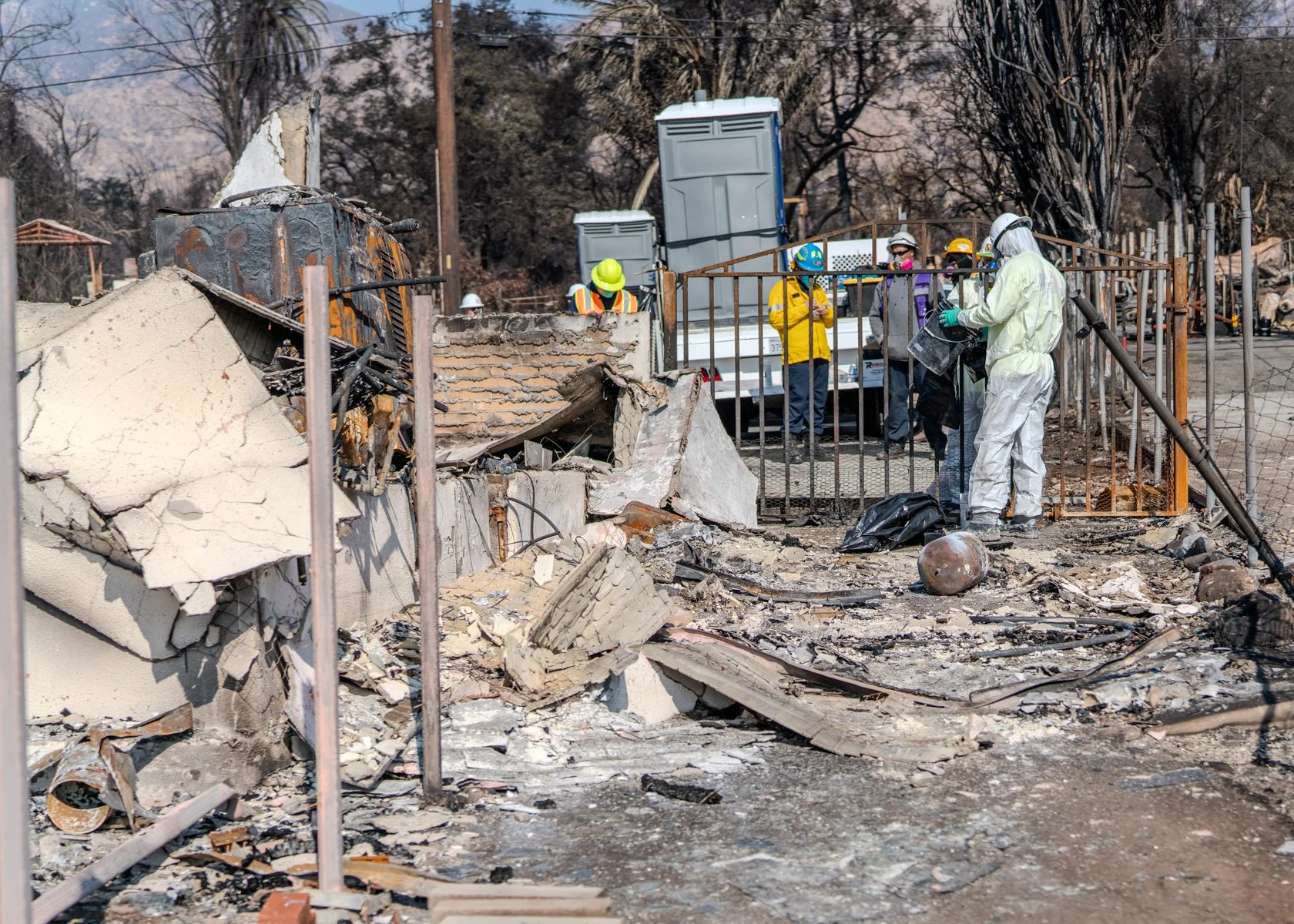
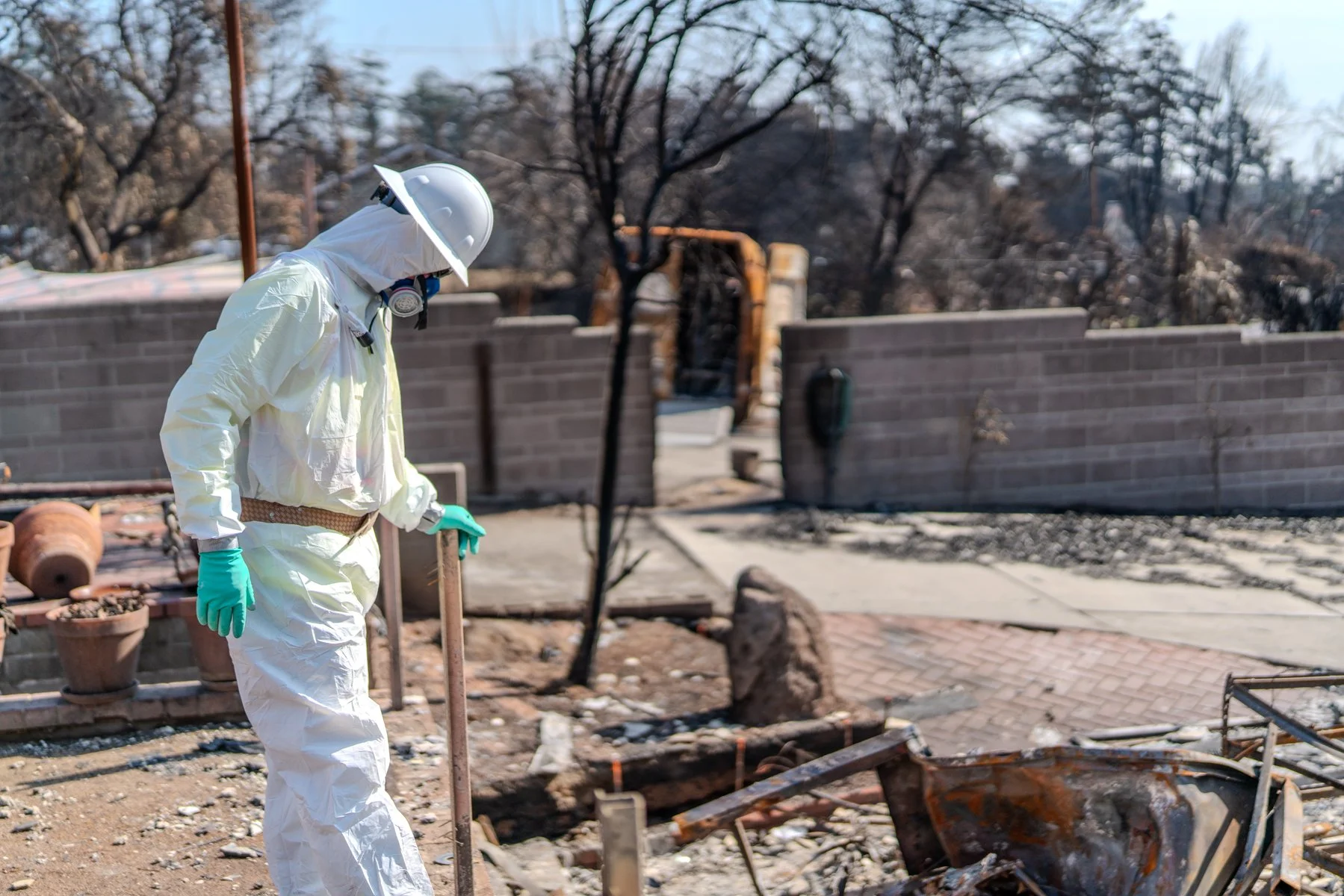
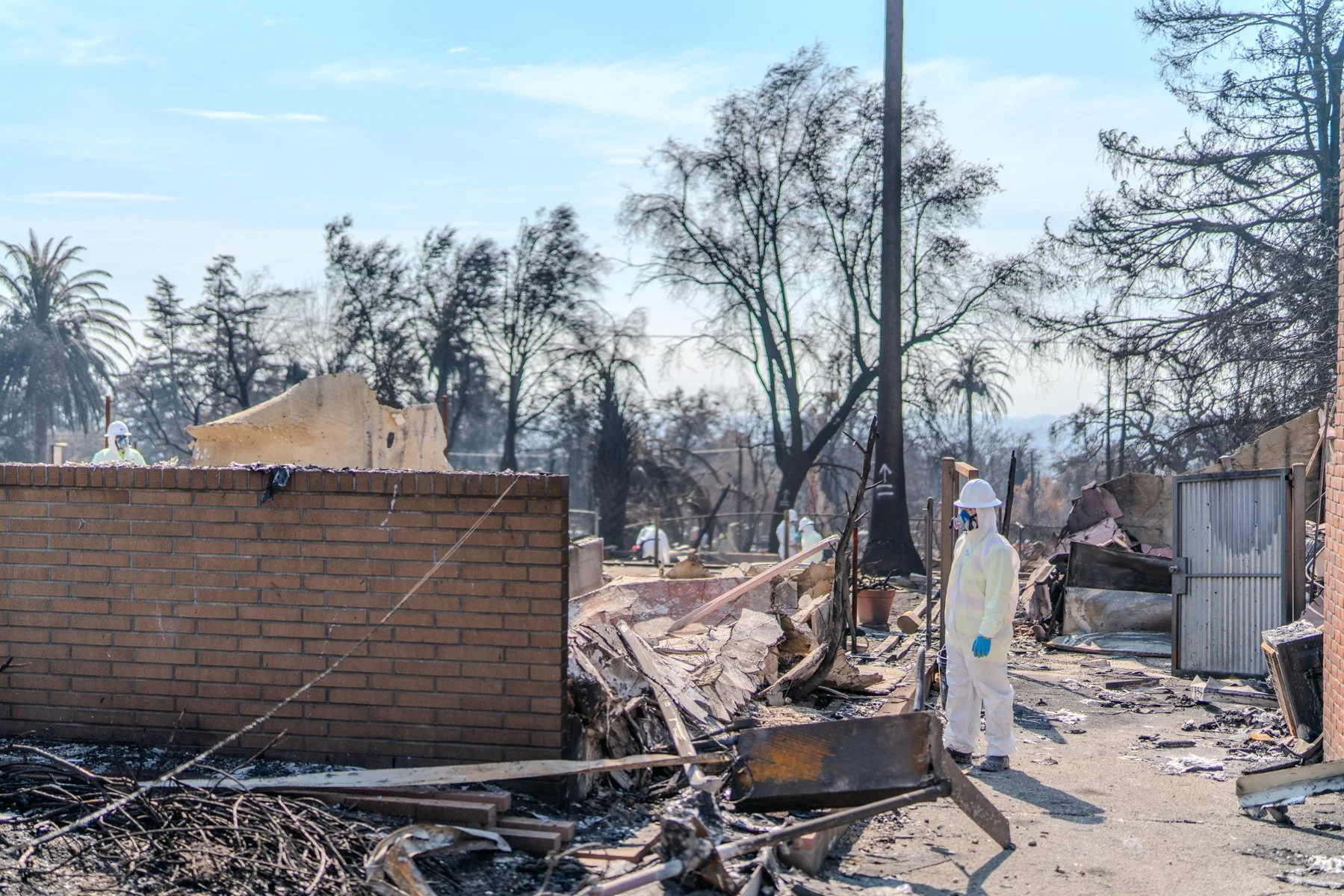
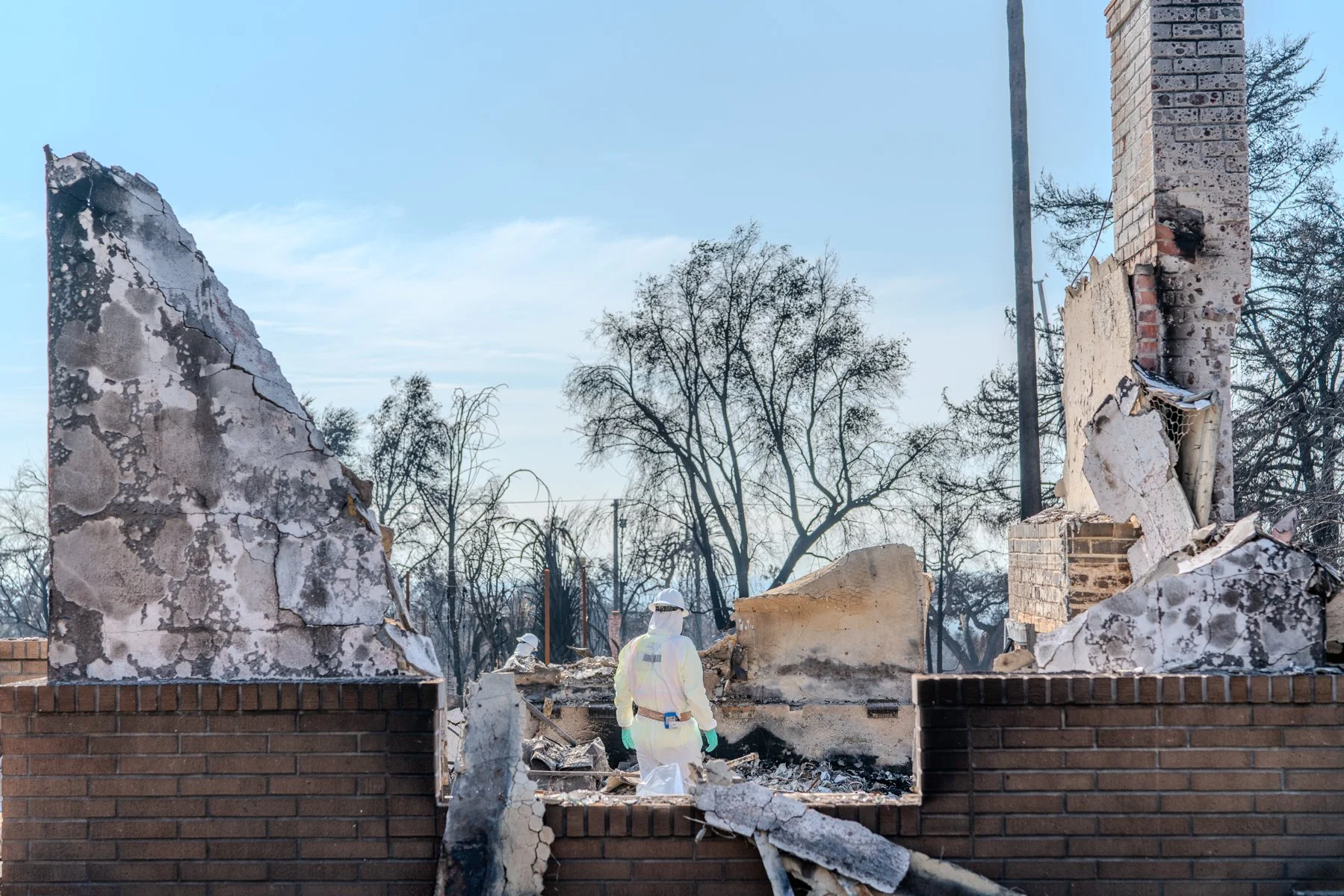
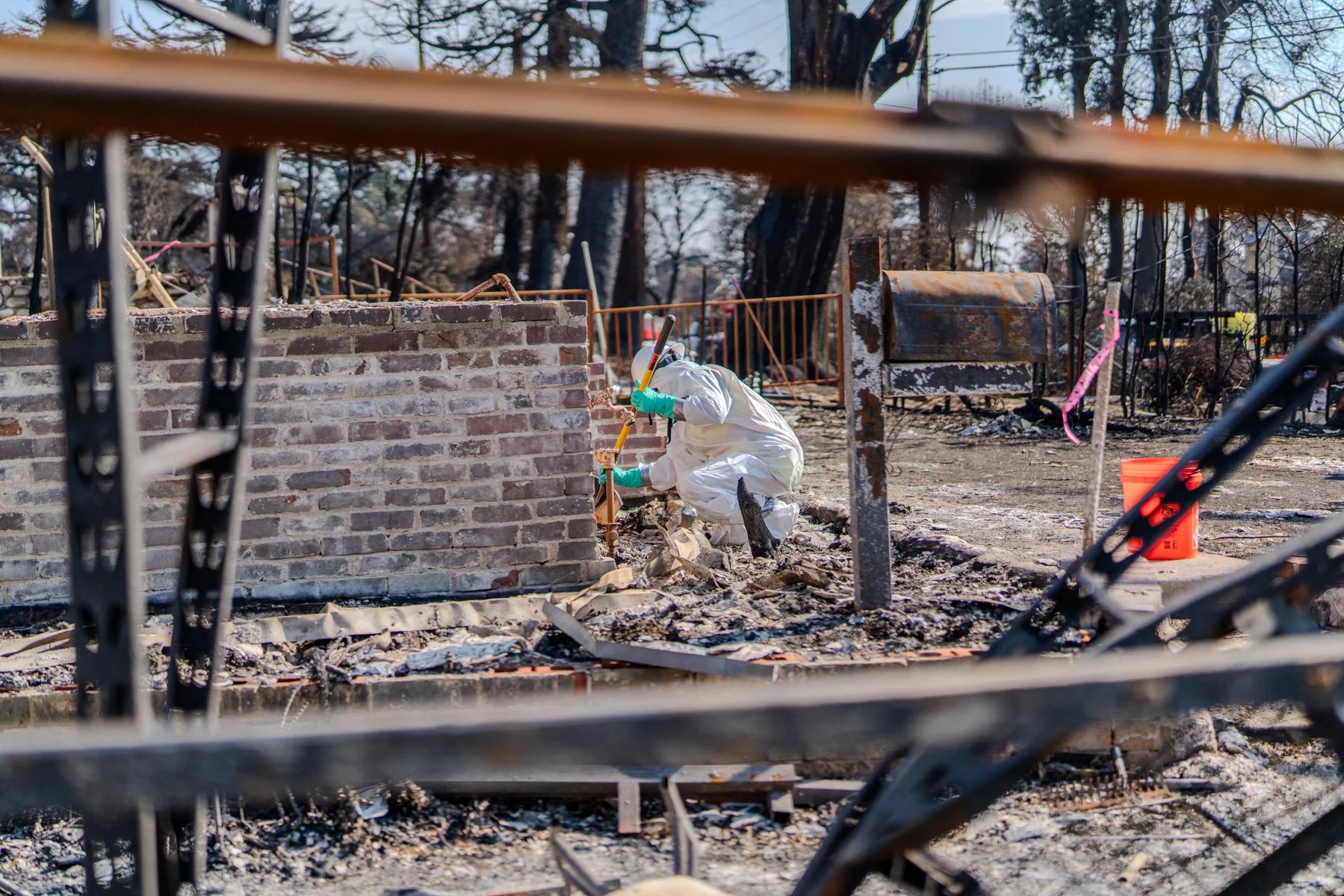
Altadena, Calif. · January 28, 2025 EPA contractors search burned-down parcels for hazardous household materials, including unstable lithium-ion batteries that could ignite beneath debris. Photos: Edward Coffey / U.S. EPA Region 9.
Community Town Hall — Duarte, Calif., January 29, 2025
Not all of a crisis response is on the cleanup site. EPA Incident Commander Tara Fitzgerald, Public Information Officers, and Community Involvement Coordinators addressed citizens at a town hall in Duarte, California, a meeting that turned hostile as EPA, state, and local leaders sought to address community concerns over nearby debris processing operations.
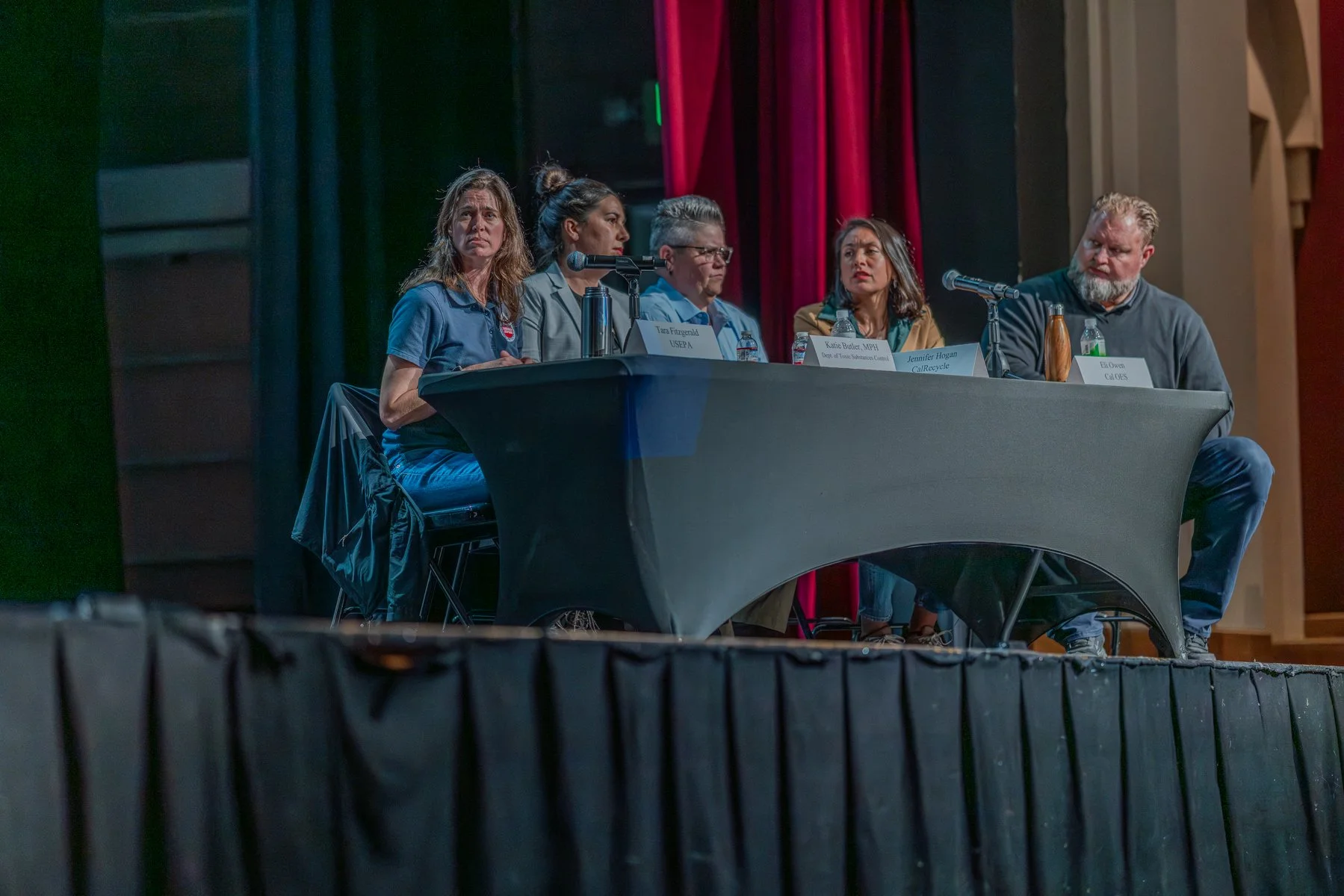
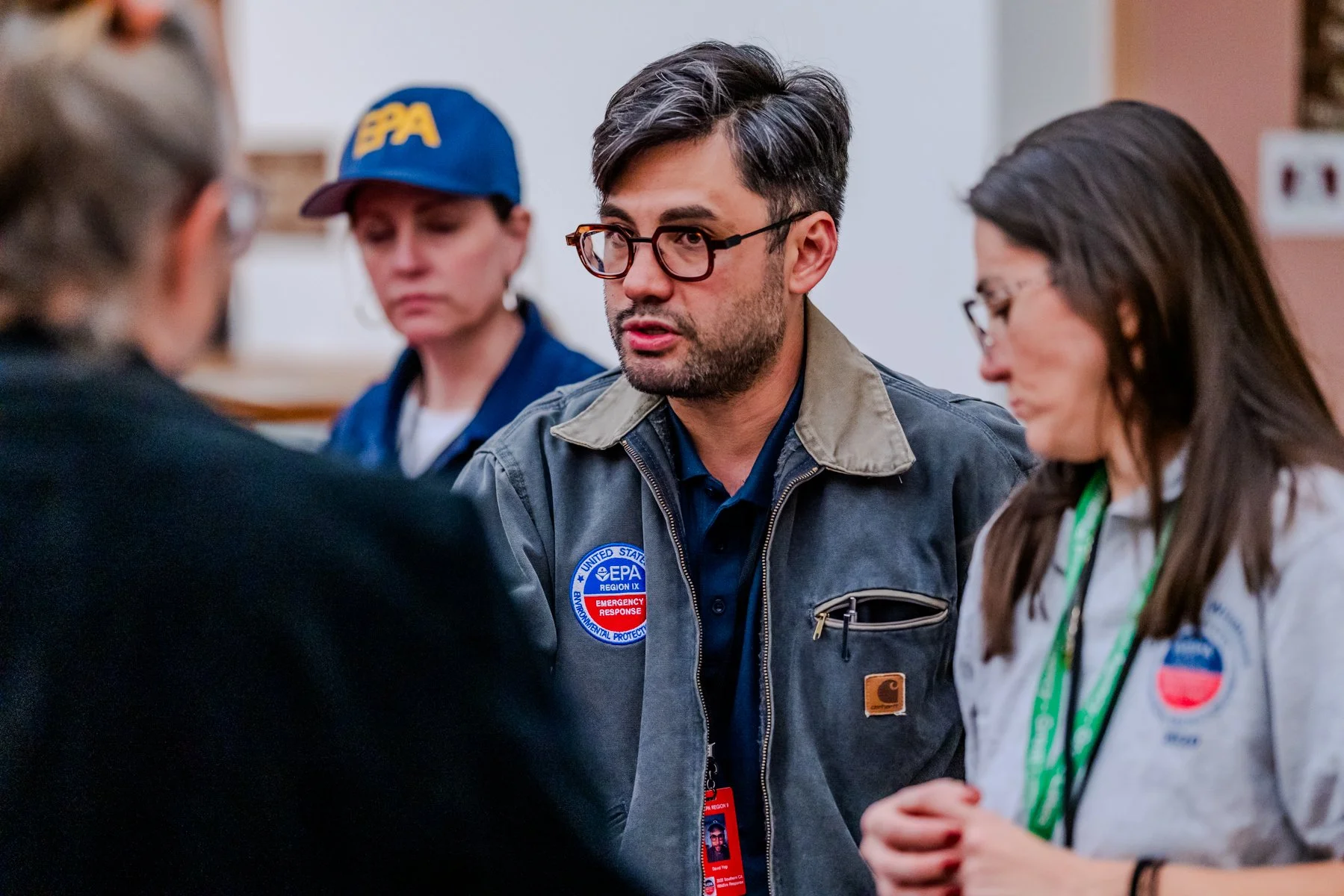
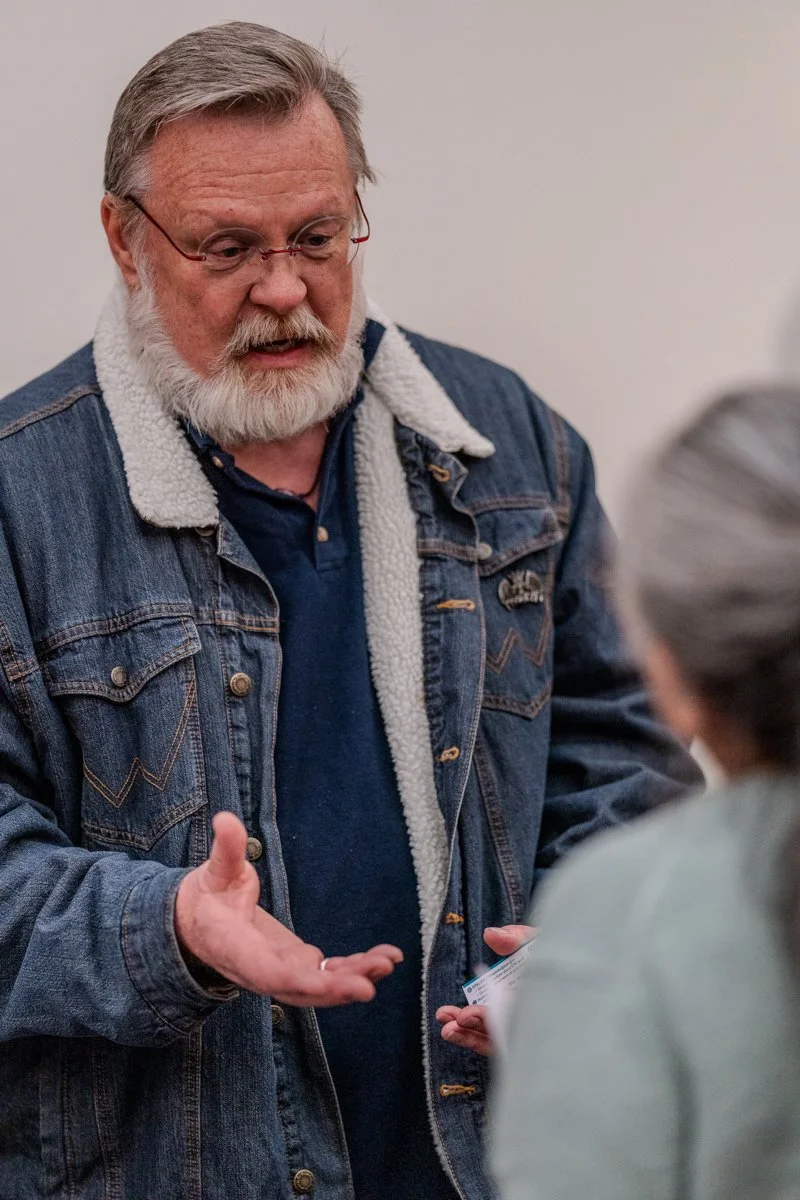
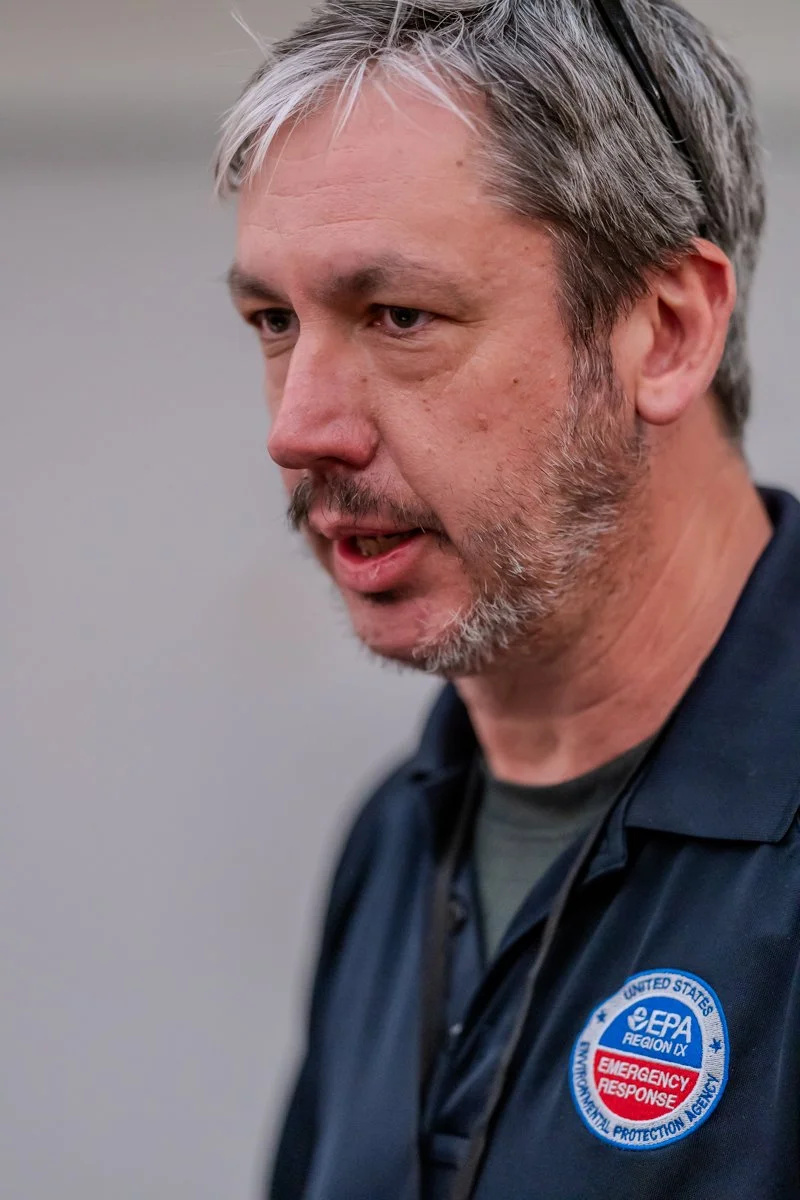
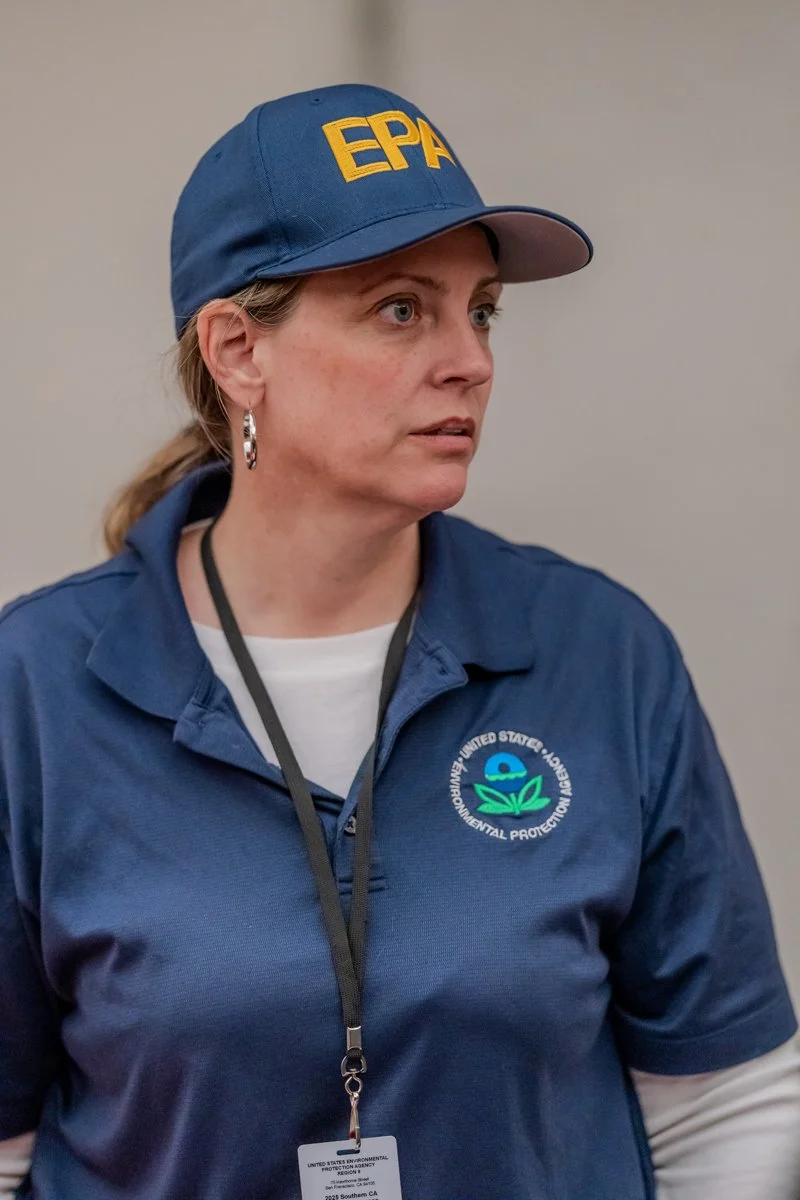
Community Town Hall · Duarte, Calif. · January 29, 2025 EPA Incident Commander Tara Fitzgerald, PIOs, and CICs address community members at a town hall that turned hostile over concerns about nearby debris processing. Photos: Edward Coffey / U.S. EPA Region 9.
How the work landed.
- Recognized by EPA Administrator Lee Zeldin and the White House for crisis communications work during the LA wildfire response
- Huelskoetter ENG package used shot-for-shot by Spectrum News in a February 9, 2025 broadcast news piece
- B-roll packages requested by and delivered to CBS for use on 60 Minutes
- Response cited in EPA's record as completing hazardous materials removal from all affected parcels in under 29 days