
EPA Region 9 · Feature Story
Addressing the Tijuana River sewage crisis
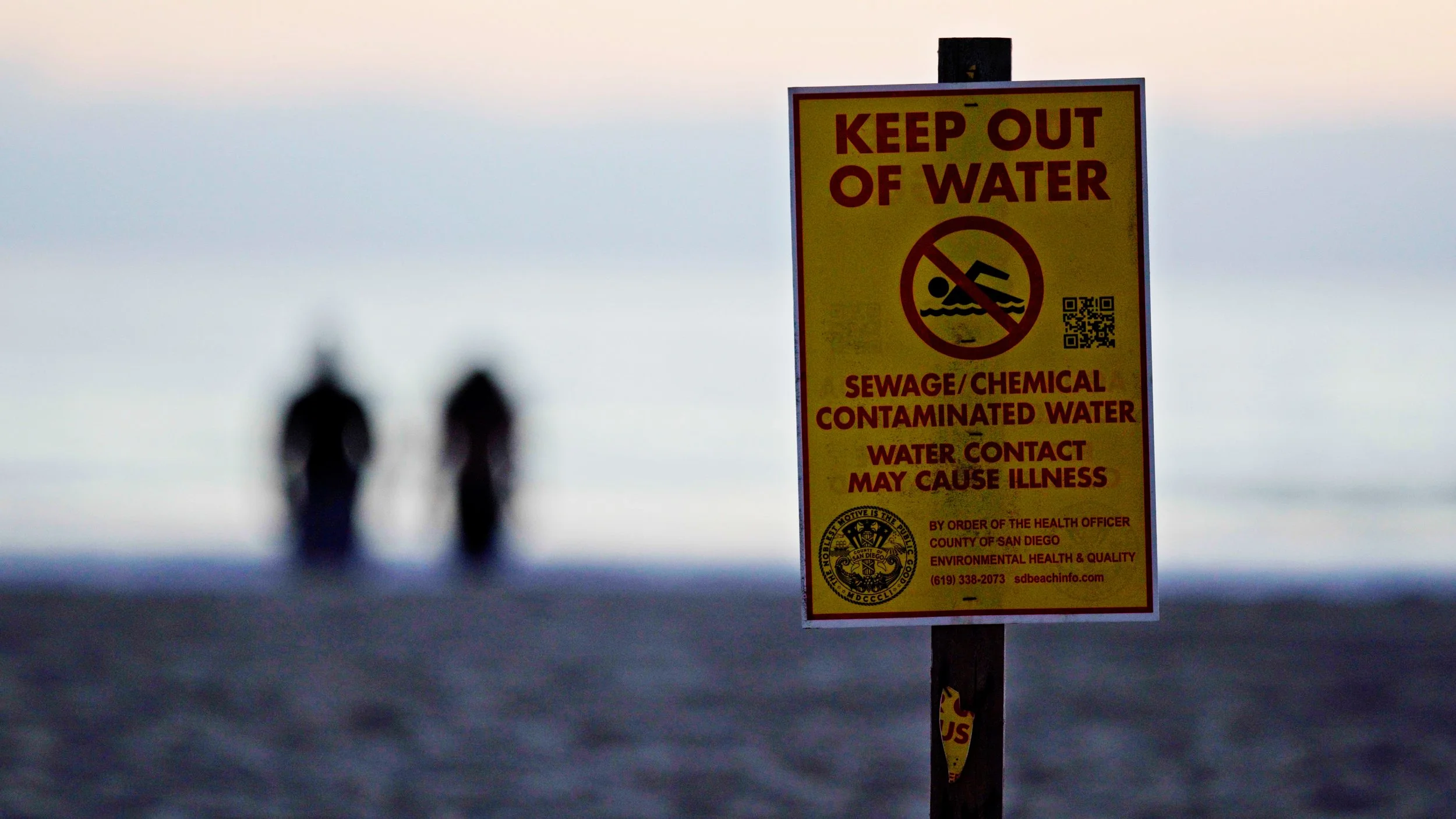
A sign at Imperial Beach, Calif., warns the public of the dangers of cross-border contamination from the Tijuana River on Aug. 26, 2025. (Photo by Edward Coffey)
SAN DIEGO — Communities in the Tijuana River Valley along San Diego County's beaches have long endured the complex realities of pollution and raw sewage flowing from Mexico through the Tijuana River and into the Pacific, impacting nearby beaches. In recent years, worsening conditions have made it harder to breathe, with the smell of rotten eggs from hydrogen sulfide gas sending residents and visitors indoors and out of the water.
Residents in the area have endured more than 1,300 consecutive days of beach closures and water concerns since 2021. The odors stem from flowing and stagnant sewage, decaying organic material and environmental conditions that trap and intensify the smell. Weather, tides and the volume of raw sewage influence how far impacts stretch — from Imperial Beach to Silver Strand Beach in Coronado during storms.
"The communities are definitely feeling on a daily basis when the water's not getting treated," said Tara Flint Silva, a life scientist and project manager with EPA Region 9's Water Division. "It causes air quality concerns and beaches are closed, all the things we see on the news all the time."
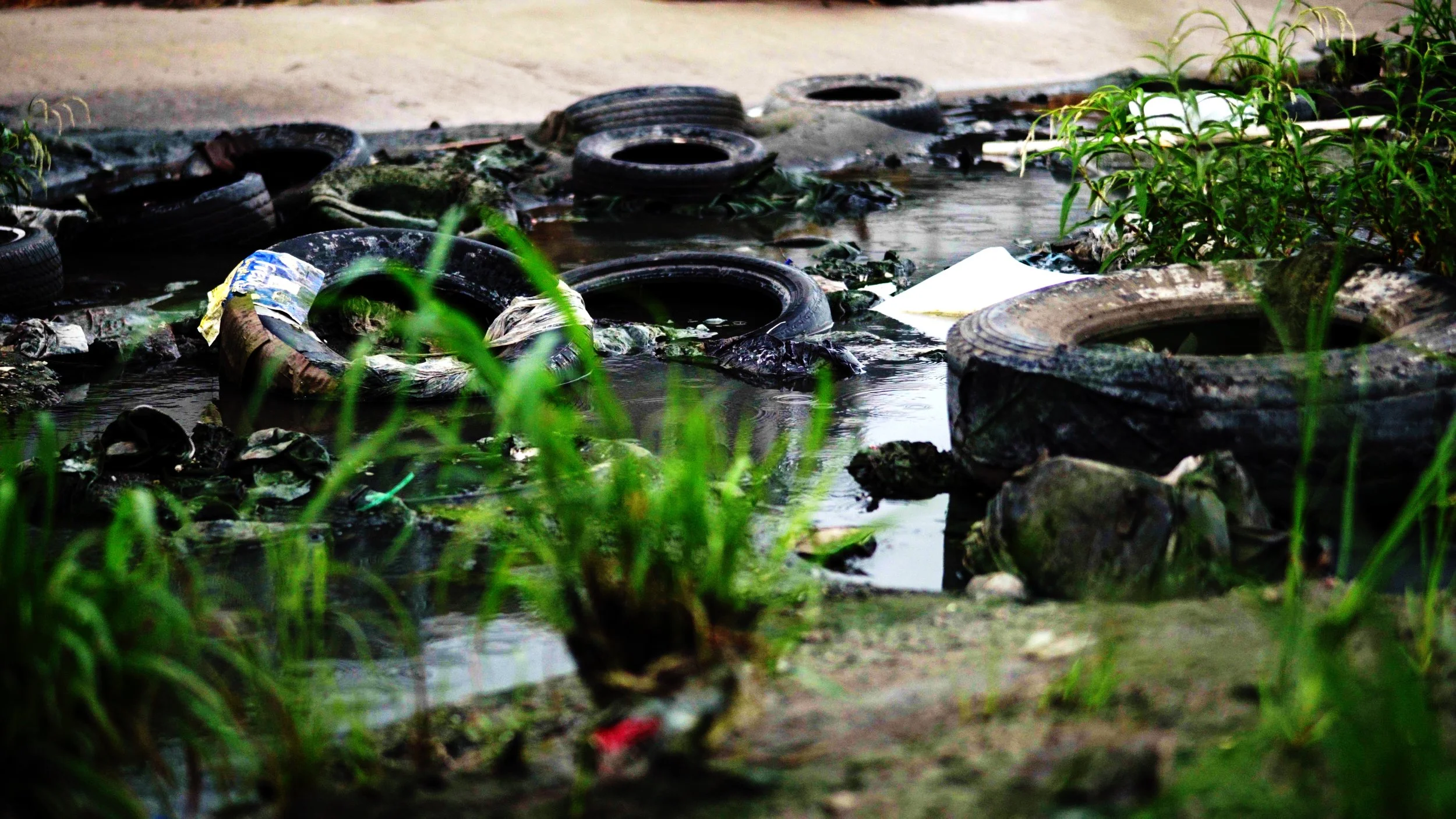
Tires, urban runoff and untreated sewage in the Tijuana River near the International Gateway of the Americas, San Diego, Aug. 28, 2025. (Photo by Edward Coffey)
Flint Silva is part of a team of staff and managers at EPA with years of experience working binationally and across agencies to address U.S.-Mexico border environmental issues including water quality and cross-border pollution. As a San Diego-based project officer focused on cross-border wastewater infrastructure, she coordinates closely with the International Boundary and Water Commission to advance near-term fixes and long-term projects. She emphasized the stakes for communities downwind and downstream and the necessity of expediting International Wastewater Treatment Plant construction timelines.
"This is one of two international wastewater treatment plants along the border," Flint Silva said. "The ability for this plant to treat water — all of it that comes across — helps not only the health of the Tijuana River environmentally and the ecosystem, but also the local economy and public health."
The U.S. and Mexico are accelerating upgrades at the plant to intercept sewage in the Tijuana River. A 10 million-gallon-per-day expansion is boosting capacity from 25 million gallons per day to 35 million gallons per day, part of a rapid build completed in roughly 100 days while a permanent fix is constructed over the coming months and years. Once treated, wastewater is discharged via the South Bay Ocean Outfall, a pipeline approximately 3 miles offshore.

Tijuana's elevated viaduct under construction near the U.S.-Mexico border, San Diego, Aug. 28, 2025. (Photo by Edward Coffey)
The expansion gives the plant's treatment capacity a 40% increase, significantly reducing wastewater flowing into the Tijuana River and addressing the odors affecting nearby residents. The original target to expand the plant to 50 million gallons per day was scheduled for 2031, but EPA Administrator Lee Zeldin and Mexico's Secretary of Environment and Natural Resources Alicia Bárcena Ibarra signed a memorandum of understanding July 24, 2025, accelerating the timeline by four years and obligating Mexico to spend $93 million on remaining projects. A subsequent agreement between the U.S. and Mexico, called Minute 333, marks additional progress toward permanently ending decades of cross-border sewage flows.
"EPA is working all the time, talking to people on both sides of the border to really try and get things done as quickly as possible," Flint Silva said. "It's a really complicated system and I think people are really working as hard as they can to get it done."